Nov 4, 2024 |


The way we work has shifted over the past decade – for the better. We can work remotely, schedules are more flexible, there’s more emphasis on autonomy and trust – changes that have reshaped expectations around the traditional office. It’s easy to see why hot desking has become one of the most widely adopted workplace models, particularly in coworking spaces and modern serviced offices.
In this guide, we’ll explore what hot desking is, how it works in practice, and why it can benefit both employers and employees. We’ll also cover practical tips for making hot desking successful with the view to helping business owners decide whether it’s the right fit for their organisation.
Here’s what we’ll cover:
There are two main types of hot desking: within a single organisation, where it applies to employees sharing office space, or in a shared working environment such as a coworking space, where it’s more likely used by individuals, freelancers, and small businesses.
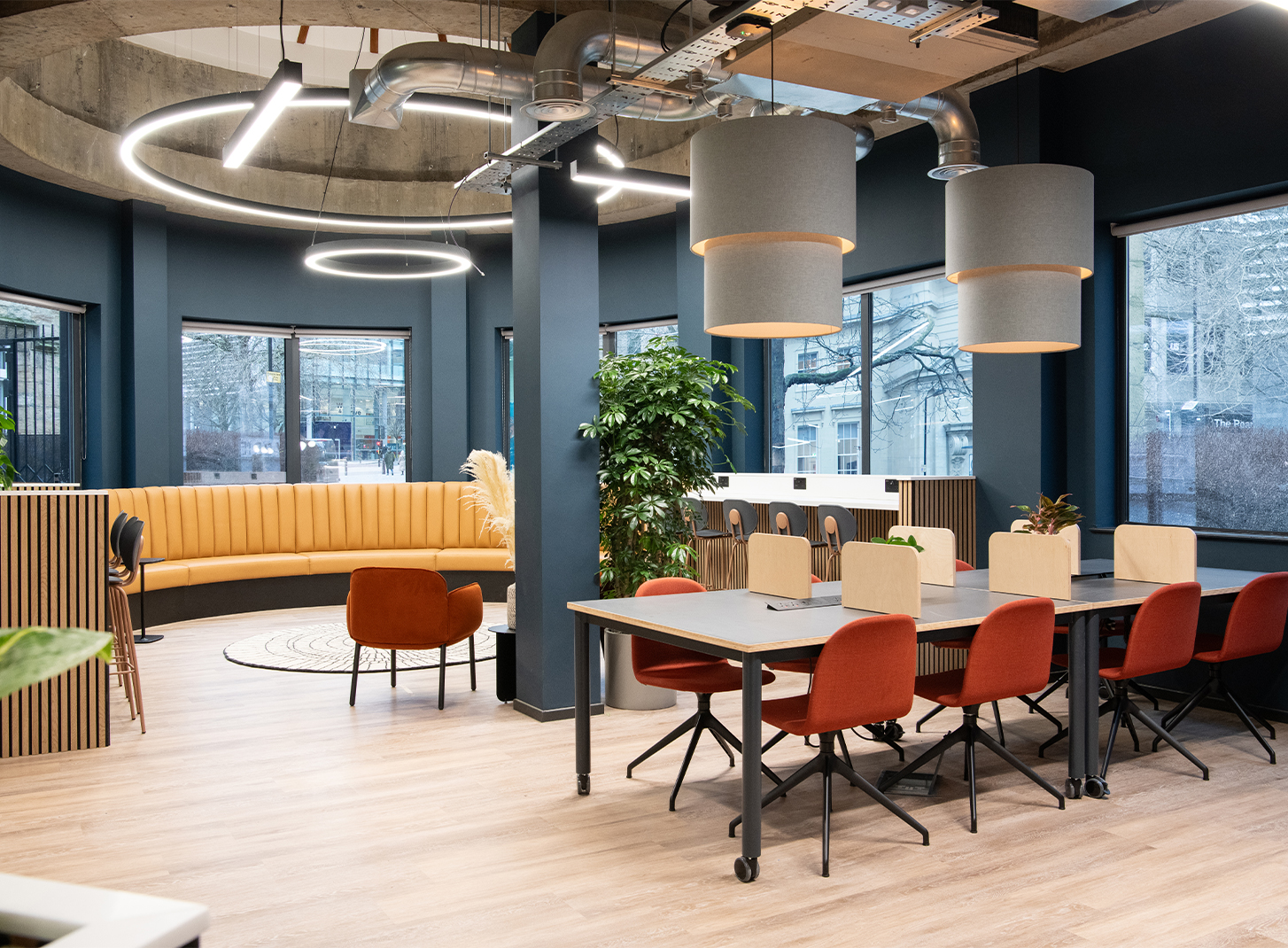
In both cases, hot desking describes the arrangement where people do not have assigned desks. Instead, desks are available on a first-come, first-served basis or can be booked for use when needed. Users choose where to sit each day, rather than returning to the same desk permanently.
The hot desk concept originated in environments where people weren’t always present at the same time – think shift work or hybrid teams – but it’s grown to become a defining feature of flexible workspaces. Today, you’ll find hot desking in most coworking spaces, serviced offices, and even some corporate offices, aiming to make better use of space.
The appeal of hot desking comes from its recognition of and response to the reality that modern work isn’t static anymore, and that office space should adapt accordingly.
Hot desking models vary slightly depending on the size of the business and the type of workspace, but their core structure is fairly similar. Here’s how it works in 3 simple steps:
Successful hot desking relies on a few things – clear policies, users that adhere to them, reliably fast WiFi, and access to plug sockets. In some spaces, these include shared equipment such as monitors and docking stations. You might also find lockers or other secure storage for personal belongings, depending on the space.
In coworking and serviced office environments, these elements are usually built in, allowing businesses to benefit from hot desking without having to design the system themselves.
Hot desking is popular for good reason. It offers a ton of benefits, particularly for organisations embracing flexible or hybrid working.
One of the most immediate benefits of hot desking is reduced business overheads. When employees aren’t all in the office every day, assigned desks often sit empty. Hot desking allows businesses to reduce the total number of desks required, lowering costs from rent, utilities, furniture, maintenance, and more.
For startups and growing teams, this can free up much-needed budget that would otherwise be locked into long leases or underused office space. In serviced offices and coworking spaces, hot desking also allows businesses to scale up or down without long-term commitments.
By removing fixed seating, hot desking naturally encourages employees to interact with different colleagues. Sitting with someone different leads to informal conversations, knowledge sharing, and collaboration that might not happen in a more rigid office layout.
In coworking spaces, this benefit extends beyond a single organisation. Hot desking places individuals alongside professionals from different industries, creating opportunities for networking, new perspectives, and unexpected partnerships.
Hot desking aligns closely with flexible working practices. Employees can choose desks that suit their tasks for the day, whether that’s a quiet area for focused work, a collaborative space for team discussions, or a more social area for informal meetings.
This level of autonomy improves job satisfaction, as workers feel trusted to manage their environment and time. It also supports hybrid schedules, making it easier for employees to split their time between home and the office without wasting space.
Traditional offices are often designed around static assumptions that no longer reflect how people actually work. Hot desking lets organisations rethink their layout, allocating more space to meeting rooms, breakout areas, and amenities rather than stuffy rows of permanently assigned desks.
The result? An office that feels more dynamic and purposeful, designed around real usage rather than outdated and unexamined norms.
While hot desking has clear benefits, it works best when it’s thoughtfully implemented:
And finally, flexibility should be balanced with choice. While movement is encouraged, some employees prefer defined zones, such as quiet focus areas or collaborative team spaces. Offering variety, rather than enforcing constant change, generally leads to better adoption and satisfaction.
Hot desking isn’t a one‑size‑fits-all solution, so it’s important to reflect on whether it’s a good fit for your organisation before committing.
It tends to work best for businesses with hybrid or flexible schedules, where desk occupancy varies throughout the week. Teams that value collaboration, mobility, and autonomy often adapt well to hot desking environments.
On the other hand, roles that require specialised equipment, strict confidentiality, or a consistent physical setup may need a more tailored approach. In these cases, a blended model that combines hot desks with assigned spaces can offer the best balance.
Before deciding, look at how often your team is in the office, how they collaborate, and what kind of environment supports their best work and reflect on whether hot desking would be a good fit. We also recommend visiting flexible workspaces to bring the vision to life.
If you’re exploring hot desking as part of a more flexible way of working, Wizu Workspace offers modern coworking spaces and serviced offices designed around adaptability, comfort, and community.
Wizu also offers dedicated hot desking options across key UK locations like Leeds, Sheffield, Glasgow, Newcastle, York and Harrogate. Our hot desking solutions provide the flexibility to work how and where it suits you, whether you’re a freelancer, a growing startup, or an established business looking to optimise your workspace.
Let’s find a workspace that loves you back.
Choose from 14 unique workspaces across eight locations in Northern England and Scotland.